


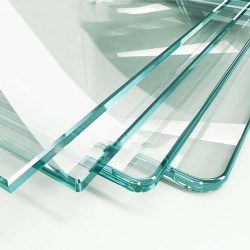
Products >> Glass Type >> Tempered Glass
Low-E Glass: The Energy-Efficient Solution for Modern Architecture
As energy efficiency becomes increasingly important in modern building design, architects, developers, contractors, and homeowners are looking for advanced glazing materials that can improve thermal performance without sacrificing natural light. One of the most widely used solutions is Low-E glass, also known as low-emissivity glass.
Low-E glass is specially designed to reduce heat transfer through windows, doors, curtain walls, skylights, and other glazed building components. It uses a microscopically thin coating that helps reflect infrared energy while still allowing a high level of visible light to pass through the glass. This combination makes Low-E glass an important material for energy-efficient residential and commercial buildings.
What Is Low-E Glass?
The term Low-E stands for low emissivity. Emissivity refers to the ability of a material to radiate heat energy. Standard glass can absorb and transfer thermal energy relatively easily, while Low-E glass is designed to reduce radiant heat transfer.
Low-E glass typically includes an extremely thin and transparent metallic or metallic oxide coating. The coating reflects long-wave infrared energy, helping control the movement of heat through the glazing system. Because the coating is very thin, Low-E glass can remain visually transparent while providing improved thermal performance.
How Does Low-E Glass Work?
Low-E glass works by selectively controlling different types of energy.
Visible light can pass through the glass, allowing natural daylight to enter the building. At the same time, the Low-E coating helps manage infrared radiation associated with heat.
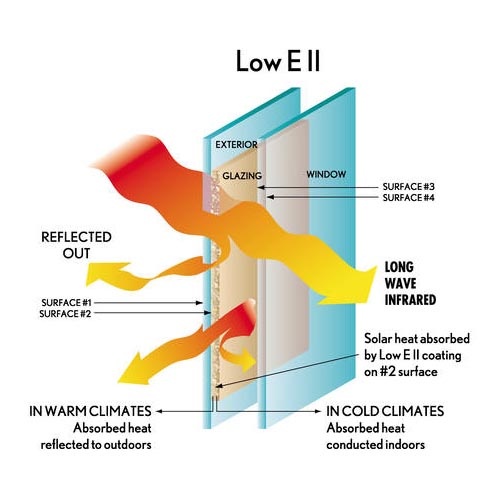
During colder conditions, certain Low-E configurations can help reflect interior heat back into the building, reducing heat loss through windows. During warmer conditions, solar-control Low-E coatings can help reduce solar heat gain by reflecting a portion of the sun's heat away from the glazing.
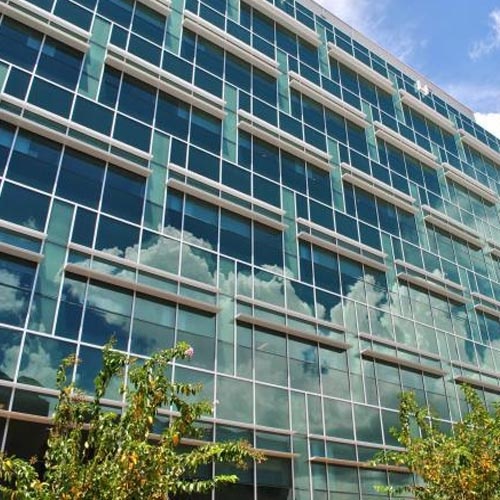
This ability to manage thermal energy makes Low-E glass especially useful in buildings with large window areas and glass curtain walls.
Main Benefits of Low-E Glass
1. Improved Energy Efficiency
One of the main advantages of Low-E glass is improved thermal performance. By reducing radiant heat transfer, Low-E coatings can contribute to lower heating and cooling demands.
This makes Low-E glass an important component in energy-efficient window and façade systems.
2. Better Indoor Comfort
Large glass windows can sometimes create uncomfortable temperature differences near the building envelope. Low-E glass helps improve thermal insulation and solar control, contributing to a more stable indoor environment.
This can improve comfort in offices, hotels, apartments, homes, and commercial buildings.
3. Natural Daylight
Unlike opaque insulation materials, Low-E glass can allow substantial visible light transmission while helping manage heat transfer.
This allows architects to design bright interior spaces with access to natural daylight and exterior views.
4. Solar Heat Control
Solar-control Low-E glass can help reduce unwanted heat entering a building. This is especially valuable in warm climates and buildings with large glazed façades exposed to direct sunlight.
Reducing solar heat gain can help decrease cooling loads and improve indoor comfort.
5. UV Protection
Low-E glazing can also reduce the transmission of ultraviolet radiation. This can help protect interior furnishings, carpets, fabrics, artwork, and other materials from excessive fading caused by sunlight exposure.
Types of Low-E Glass
There are two primary categories of Low-E coatings.
Hard-Coat Low-E Glass
Hard-coat Low-E glass is generally produced using a pyrolytic process during glass manufacturing. The coating becomes part of the glass surface and is relatively durable.
Hard-coat Low-E glass is commonly selected for applications requiring durability and specific thermal performance characteristics.
Soft-Coat Low-E Glass
Soft-coat Low-E glass is generally produced using a sputtering process in a controlled manufacturing environment. These coatings can provide excellent thermal insulation and solar-control performance.
Because soft coatings can be more sensitive to handling, they are commonly used inside insulated glass units where the coating is protected between glass panes.
Low-E Glass in Insulated Glass Units
Low-E glass is frequently combined with double-glazed or triple-glazed insulated glass units.
A typical insulated glass unit may include:
- Low-E coated glass
- Two or three glass panes
- Air or gas-filled spaces
- Aluminum or warm-edge spacers
- Sealed edges
Depending on the building design, Low-E coatings can be positioned on different glass surfaces to achieve specific thermal insulation and solar-control performance.
The overall performance of the window depends not only on the Low-E coating but also on the entire glazing configuration, including glass thickness, cavity size, gas fill, spacer system, frame design, and installation quality.
Common Applications of Low-E Glass
Low-E glass is widely used in residential, commercial, and hospitality construction projects.
Common applications include:
- Residential windows
- Commercial office buildings
- Hotel windows
- Apartment buildings
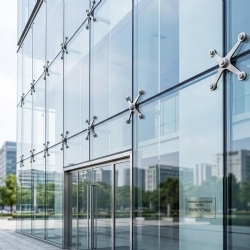
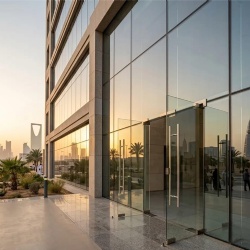
- Curtain walls
- Glass façades
- Skylights
- Sliding glass doors
- Glass entrance systems
- High-rise buildings
- Shopping centers
- Airports
- Hospitals
- Educational buildings
Products Category
Contact Us

Name: Steven Li
Tel: +86-592-5851379
Mobile: +86-18750258798
E-mail: glass@morestone.net
Skype: +86-18750258798
WeChat: 0086-18750258798
Whatsapp: 0086-18750258798
Add: Xinyang Industry Zone Haicang District Xiamen Fujian Province China


 Skype Chat
 WhatsApp
 Mail inquiry