


Products >> Glass Type >> Tempered Glass
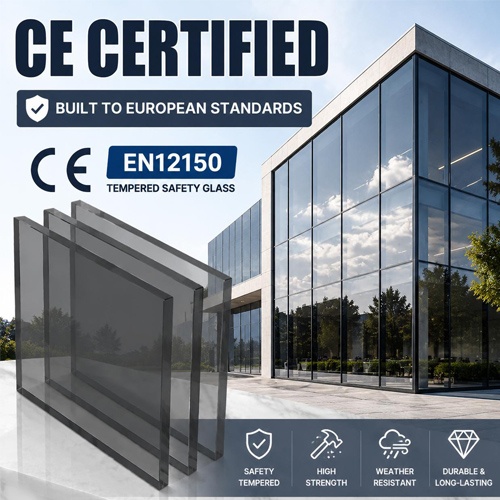
It is important to understand that CE marking is not simply a generic quality certification. For construction products, CE marking indicates that the product has been assessed according to the applicable European requirements and harmonised product standard or other applicable conformity route. The exact requirements depend on the type of glass and its intended application.
CE safety glass
What Is CE Marked Tempered Glass?
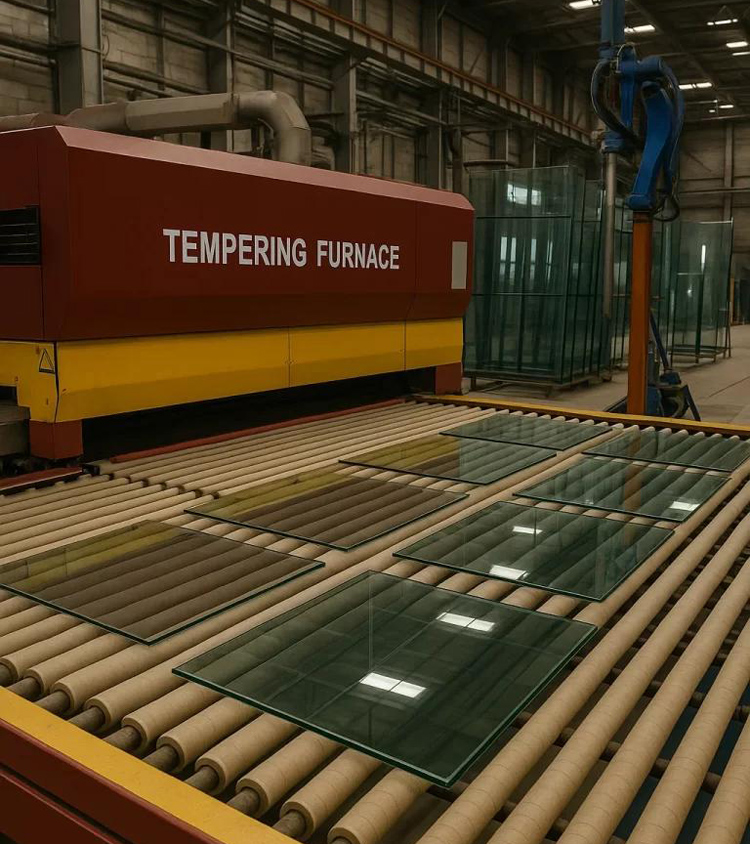
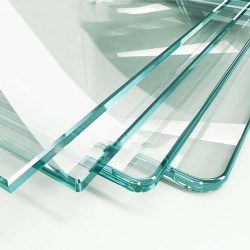
Tempered glass is produced by heating glass to a high temperature and then rapidly cooling its surfaces. This creates compressive stresses in the glass, increasing its resistance to mechanical loads and temperature changes compared with annealed glass.
When properly manufactured tempered glass breaks, it generally fractures into numerous smaller particles rather than large, sharp shards. This breakage characteristic makes it suitable for many safety-glazing applications.
For construction projects, buyers should verify that the CE marking, Declaration of Performance (DoP), product standard and notified-body documentation, where applicable, correspond to the actual product being supplied.
Applications of CE Marked Tempered Glass
CE marked architectural tempered glass can be used in numerous applications, including:
- Glass shower doors and enclosures
- Hotel bathroom partitions
- Frameless glass doors
- Office partitions
- Commercial entrances
- Retail storefronts
- Glass balustrades and screens
- Interior decorative glazing
- Furniture and glass tabletops
- Residential doors and windows
- Architectural facade glazing
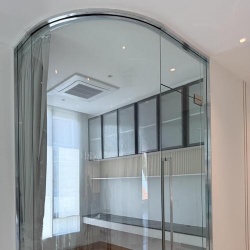
In hotels and commercial buildings, tempered glass combines a clean contemporary appearance with enhanced mechanical and thermal performance.
Custom Tempered Glass Options
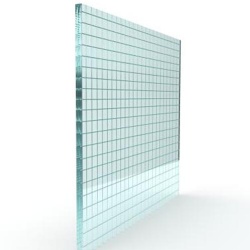
Manufacturers can supply tempered glass in different thicknesses, sizes, shapes, and finishes according to project specifications. Common options include clear tempered glass, low-iron glass, tinted glass, frosted glass, patterned glass, ceramic frit glass, and decorative glass.
Custom fabrication may include polished edges, holes, notches, cut-outs, rounded corners, and other processing required for installation. These operations normally need to be completed before the glass enters the tempering process.
Benefits for Architectural Projects
One of the main advantages of tempered glass is its combination of strength, safety characteristics, and visual clarity. It can withstand greater mechanical and thermal stresses than ordinary annealed glass, making it suitable for demanding interior and exterior applications.
For European construction projects, properly documented conformity information also helps architects, contractors, developers, and purchasing teams evaluate whether a particular glazing product meets the project's regulatory and specification requirements.
Selecting a CE Marked Tempered Glass Supplier
When purchasing CE certified tempered glass, project buyers should request the relevant Declaration of Performance, CE marking information, product technical data, test reports, and traceability documentation. The documentation should identify the applicable European standard and product characteristics rather than relying solely on a supplier's statement that the glass is “CE certified.”
For hotels, commercial buildings, residential developments, retail spaces, and architectural projects, properly documented CE marked tempered glass provides a practical combination of safety performance, durability, customization, and modern appearance.


Products Category
Contact Us

Name: Steven Li
Tel: +86-592-5851379
Mobile: +86-18750258798
E-mail: glass@morestone.net
Skype: +86-18750258798
WeChat: 0086-18750258798
Whatsapp: 0086-18750258798
Add: Xinyang Industry Zone Haicang District Xiamen Fujian Province China


 Skype Chat
 WhatsApp
 Mail inquiry