


What Is Heat Strengthened Glass
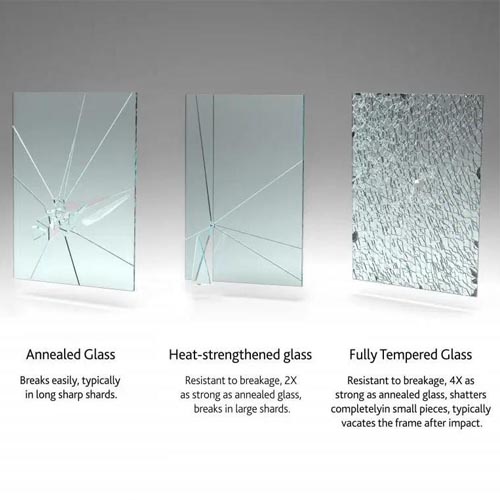
What Is Heat Strengthened Glass?
Heat strengthened glass is a type of heat-treated architectural glass that is stronger than ordinary annealed glass but generally less strong than fully tempered glass. It is produced by heating annealed glass to a high temperature and then cooling it at a controlled rate.
The manufacturing process creates surface compression in the glass, improving its resistance to mechanical stress and thermal stress. Because of this balance between strength and stability, heat strengthened glass is widely used in architectural glazing, curtain walls, insulated glass units, spandrel panels, and laminated glass systems.
Heat strengthened glass is an important option for architects and designers who require improved strength but do not necessarily need the higher breakage performance associated with fully tempered safety glass.
How Is Heat Strengthened Glass Made?
Heat strengthened glass starts as standard annealed glass. Before heat treatment, the glass is cut to size and all necessary fabrication work is completed.
The basic manufacturing process includes:
1. Glass Cutting and Fabrication
Annealed glass is cut into the required dimensions. Holes, notches, edge polishing, and other fabrication details are completed before the heat-strengthening process.
2. Heating the Glass
The glass is heated in a furnace to a temperature close to its softening point. The heating process ensures that the entire glass panel reaches a consistent temperature.
3. Controlled Cooling
Unlike fully tempered glass, which is cooled rapidly using strong air pressure, heat strengthened glass is cooled more slowly and in a more controlled manner.
This slower cooling process produces a lower level of surface compression than fully tempered glass.
4. Improved Strength
The resulting internal stress pattern increases the glass's resistance to thermal and mechanical stress compared with ordinary annealed glass.
The controlled cooling process is the key difference between annealed, heat strengthened, and fully tempered glass.
Key Properties of Heat Strengthened Glass
Increased Mechanical Strength
Heat strengthened glass is stronger than ordinary annealed glass. It can withstand greater wind pressure, mechanical loads, and temperature changes.
Improved Thermal Stress Resistance
One of the major advantages of heat strengthened glass is its resistance to thermal stress. This makes it suitable for architectural applications exposed to sunlight and varying temperatures.
Controlled Breakage Pattern
When heat strengthened glass breaks, it typically forms larger fragments than fully tempered glass. The fragments may resemble the breakage pattern of annealed glass, although the glass has greater strength before breakage.
For this reason, heat strengthened glass is generally not automatically considered safety glass in the same way as fully tempered glass.
Reduced Risk of Spontaneous Breakage
Heat strengthened glass is often selected for certain architectural applications because its lower internal stress levels may reduce the risk of spontaneous breakage compared with fully tempered glass.
Suitable for Laminated Glass
Heat strengthened glass is commonly used as a component in laminated glass. When combined with an interlayer, the glass can provide enhanced structural and post-breakage performance.
Common Applications of Heat Strengthened Glass
Heat strengthened glass is widely used in commercial and architectural projects where improved strength and thermal resistance are required.
Curtain Walls
Modern commercial buildings often use heat strengthened glass in curtain wall systems. The material can provide improved resistance to wind loads and temperature differences.
Insulated Glass Units
Heat strengthened glass can be used as part of double-glazed or insulated glass units for windows and building facades.
Spandrel Glass
Heat strengthened glass is frequently used in opaque or coated spandrel panels because these panels may experience significant temperature differences caused by solar absorption.
Laminated Architectural Glass
Architectural laminated glass often uses heat strengthened glass when additional strength and structural performance are required.
Commercial Windows
Large commercial windows and exterior glazing systems may use heat strengthened glass depending on engineering requirements and building codes.
Interior Architectural Applications
Heat strengthened glass can also be used for interior partitions, decorative glazing, and specialty architectural installations.
Heat Strengthened Glass vs Annealed Glass
| Feature | Heat Strengthened Glass | Annealed Glass |
|---|---|---|
| Strength | Higher | Standard |
| Manufacturing | Heated and controlled cooling | Slowly cooled after production |
| Thermal Resistance | Higher | Lower |
| Surface Compression | Moderate | Minimal |
| Fabrication After Processing | Cannot normally be cut or drilled | Can be cut and drilled |
| Breakage Pattern | Larger fragments | Large sharp fragments |
| Typical Applications | Curtain walls and architectural glazing | General glazing and fabrication |
Heat strengthened glass provides a useful middle ground between ordinary annealed glass and fully tempered glass.
Heat Strengthened Glass vs Tempered Glass
The main difference between heat strengthened glass and tempered glass is the cooling rate and resulting level of surface compression.
| Feature | Heat Strengthened Glass | Tempered Glass |
|---|---|---|
| Strength | Moderate increase | Significant increase |
| Cooling Process | Controlled and slower | Rapid air cooling |
| Surface Compression | Lower | Higher |
| Thermal Resistance | Good | Excellent |
| Breakage Pattern | Larger fragments | Small fragments |
| Safety Glass Classification | Generally not | Commonly used as safety glass |
| Typical Use | Curtain walls and laminated systems | Doors, shower screens and railings |
Tempered glass is generally selected where higher impact resistance and safety glazing performance are required. Heat strengthened glass is often preferred where moderate strength and improved thermal resistance are needed.
Advantages of Heat Strengthened Glass
Heat strengthened glass offers several important advantages for architectural projects:
- Stronger than ordinary annealed glass
- Improved thermal stress resistance
- Suitable for large architectural panels
- Compatible with laminated glass construction
- Useful for curtain wall systems
- Suitable for insulated glass units
- Can support demanding commercial applications
- Lower internal stress than fully tempered glass
- Available with coatings and decorative treatments
These benefits make heat strengthened glass a versatile material for commercial buildings, hotels, offices, and modern architectural projects.
Limitations of Heat Strengthened Glass
Despite its advantages, heat strengthened glass also has limitations.
Once the glass has been heat treated, it generally cannot be cut, drilled, or modified. All fabrication must be completed before the heat-strengthening process.
Heat strengthened glass also does not normally provide the same safety breakage characteristics as fully tempered glass. Therefore, it may not be suitable for doors, shower enclosures, or other impact-prone areas where safety glazing is required.
Architects and contractors should always review applicable building codes and project specifications before selecting the glass type.
Choosing Heat Strengthened Glass for Architectural Projects
When specifying heat strengthened glass, several factors should be considered:
- Glass thickness
- Panel dimensions
- Wind load requirements
- Thermal exposure
- Solar absorption
- Coatings and surface treatments
- Insulated glass construction
- Laminated glass requirements
- Structural performance
- Local building regulations
The correct specification depends on the building design and intended application. Large curtain wall panels, coated glass, spandrel glazing, and laminated architectural systems may benefit from heat strengthened glass.
Conclusion
Heat strengthened glass is an important architectural material positioned between ordinary annealed glass and fully tempered glass. It provides improved mechanical strength and thermal stress resistance while maintaining a different breakage pattern from fully tempered safety glass.
Its combination of performance, stability, and architectural versatility makes heat strengthened glass suitable for curtain walls, insulated glass units, spandrel panels, commercial windows, and laminated glazing systems.
For architects, contractors, developers, and glass fabricators, understanding the differences between annealed, heat strengthened, and tempered glass is essential for selecting the right product. By choosing the appropriate glass type for each application, building professionals can achieve the desired balance of strength, safety, performance, and design.
Latest News
Contact Us

Name: Steven Li
Tel: +86-592-5851379
Mobile: +86-18750258798
E-mail: glass@morestone.net
Skype: +86-18750258798
WeChat: 0086-18750258798
Whatsapp: 0086-18750258798
Add: Xinyang Industry Zone Haicang District Xiamen Fujian Province China


 Skype Chat
 WhatsApp
 Mail inquiry