


Float Glass vs Annealed Glass
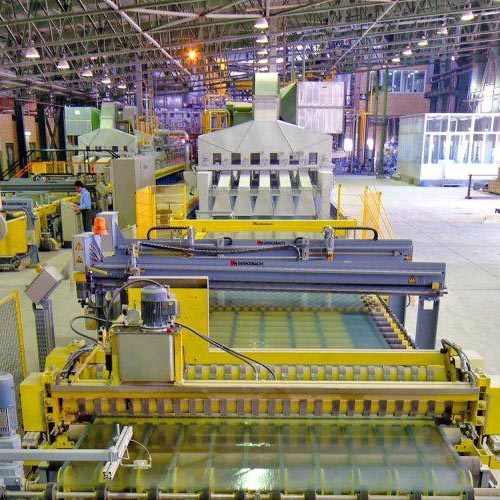
Float Glass vs Annealed Glass: Understanding the Key Differences
Glass is one of the most important materials used in modern architecture, interior design, furniture, automotive manufacturing, and decorative applications. However, terms such as float glass and annealed glass are often misunderstood. Many buyers, architects, contractors, and designers assume that they are completely different types of glass. In reality, the difference is mainly related to how the glass is described during the manufacturing process.
Understanding the relationship between float glass and annealed glass is important when selecting glass for windows, doors, partitions, furniture, mirrors, decorative panels, and further processing into tempered or laminated safety glass.
What Is Float Glass?
Float glass is flat glass manufactured using the modern float glass process. During production, raw materials such as silica sand, soda ash, limestone, and other ingredients are melted at extremely high temperatures.
The molten glass is then poured onto a bath of molten tin. Because the glass floats on the liquid tin, it naturally spreads into a continuous, smooth ribbon with highly flat and parallel surfaces. The glass is gradually cooled and then cut into large sheets.
The float process produces glass with excellent flatness, optical clarity, and uniform thickness. It has become the standard manufacturing method for most modern flat architectural glass.
Float glass is widely used as the base material for:
- Windows and doors
- Curtain walls
- Interior partitions
- Glass furniture
- Mirrors
- Display cases
- Decorative glass
- Tempered glass
- Laminated glass
- Insulated glass units
- Coated architectural glass
What Is Annealed Glass?
Annealed glass refers to ordinary glass that has been slowly cooled in a controlled process to reduce internal stresses. During float glass production, the hot glass passes through a temperature-controlled cooling area known as an annealing lehr.
This gradual cooling process is called annealing.
Annealing helps relieve residual stresses within the glass, making the finished material more stable and easier to cut, drill, edge, polish, and process. Standard annealed glass has not been further heat-strengthened or tempered.
The Main Difference Between Float Glass and Annealed Glass
The most important point is that float glass and annealed glass are often describing the same basic glass product from different perspectives.
- Float glass describes the manufacturing method.
- Annealed glass describes the controlled cooling condition of the glass.
Most standard float glass leaves the production process in an annealed condition. Therefore, in many architectural and commercial applications, the terms are used interchangeably.
Float Glass vs Annealed Glass Comparison
| Feature | Float Glass | Annealed Glass |
|---|---|---|
| Main Definition | Glass produced using the float process | Glass slowly cooled to relieve internal stress |
| Manufacturing Method | Molten glass floats on molten tin | Controlled cooling after glass forming |
| Surface Quality | Flat and smooth | Flat and smooth when produced from float glass |
| Internal Stress | Reduced during annealing | Specifically designed to minimize residual stress |
| Cutting | Can be cut | Can be cut easily |
| Drilling | Can be processed before tempering | Can be drilled and machined |
| Safety Performance | Not automatically safety glass | Not considered safety glass |
| Breakage Pattern | Large sharp fragments | Large sharp fragments |
| Further Processing | Can be tempered, laminated, coated | Can be tempered, laminated, coated |
Manufacturing Process of Float and Annealed Glass
The production process generally includes several stages.
1. Raw Material Preparation
The main ingredients for flat glass include silica sand, soda ash, limestone, dolomite, and recycled glass. These materials are carefully mixed before entering the furnace.
2. Glass Melting
The raw materials are heated at very high temperatures until they become molten glass.
3. Float Process
The molten glass flows onto a bath of molten tin. The glass naturally spreads into a smooth, continuous ribbon with flat parallel surfaces.
4. Controlled Cooling and Annealing
After leaving the tin bath, the glass ribbon passes through an annealing lehr. The temperature is gradually reduced to remove internal stresses.
This is the stage that transforms the newly produced float glass into stable annealed glass.
5. Cutting and Processing
The finished glass is inspected and cut into standard sheet sizes. It can then be supplied directly or further processed into other glass products.
Strength and Safety Characteristics
Standard annealed float glass is suitable for many general applications, but it is not considered a safety glass. When broken, it typically fractures into large pieces with sharp edges.
Because of this characteristic, annealed glass may not be suitable for certain locations where safety glazing is required. For applications such as glass doors, shower enclosures, railings, storefronts, and other impact-prone areas, tempered or laminated safety glass may be a better choice depending on applicable building requirements.
Applications of Float and Annealed Glass
Float and annealed glass are widely used throughout the construction and decorative industries.
Common applications include:
- Residential windows
- Commercial windows
- Interior glass partitions
- Furniture tops
- Cabinet doors
- Picture frames
- Mirrors
- Display shelving
- Decorative glass panels
- Greenhouses
- Secondary glazing
- Glass processing factories
One of the biggest advantages of annealed float glass is its versatility. Before heat treatment, it can be cut into custom sizes, drilled, polished, edged, etched, printed, or processed into decorative glass products.
Float Glass as a Base Material for Processed Glass
Modern architectural glass products often begin with standard float glass.
The original annealed float glass can later be processed into:
Tempered Glass
The glass is reheated and rapidly cooled to create surface compression and improve strength.
Laminated Glass
Two or more pieces of glass are bonded together using an interlayer, improving post-breakage retention and safety performance.
Coated Glass
Special coatings can improve solar control, energy efficiency, appearance, or light performance.
Decorative Glass
Float glass can also be transformed through:
- Acid etching
- Sandblasting
- CNC carving
- Digital printing
- Ceramic printing
- Stained glass processing
- Fused glass techniques
- Decorative film lamination
Which Glass Should You Choose?
For basic flat glass applications and further fabrication, standard float or annealed glass is often the starting material.
Choose annealed float glass when the project requires:
- Easy cutting
- Custom fabrication
- Drilling and machining
- Edge polishing
- Decorative processing
- Mirror production
- Furniture applications
- Further tempering or lamination
For applications requiring higher safety performance, the glass should usually be further processed into tempered, laminated, or another suitable safety glazing configuration.
The difference between float glass and annealed glass is mainly a matter of terminology. Float glass refers to the production method in which molten glass floats on a bath of molten tin, while annealed glass refers to the controlled cooling process that reduces internal stresses.
In most modern flat-glass manufacturing, standard float glass is produced and then annealed as part of the manufacturing process. This makes annealed float glass one of the most important raw materials in the global architectural and decorative glass industry.
From windows and furniture to mirrors, decorative panels, laminated glass, and tempered safety glass, float glass provides the foundation for countless modern glass products. Understanding this relationship helps architects, designers, contractors, and buyers select the right glass material and processing method for each project.
For architectural, decorative, and custom glass projects, selecting the correct base glass is the first step toward achieving the desired balance of appearance, performance, fabrication capability, and safety.
Latest News
Contact Us

Name: Steven Li
Tel: +86-592-5851379
Mobile: +86-18750258798
E-mail: glass@morestone.net
Skype: +86-18750258798
WeChat: 0086-18750258798
Whatsapp: 0086-18750258798
Add: Xinyang Industry Zone Haicang District Xiamen Fujian Province China


 Skype Chat
 WhatsApp
 Mail inquiry