


Tempered Glass Spontaneous Breakage
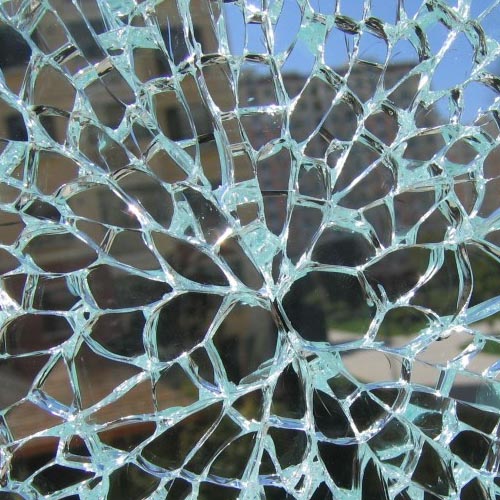
Tempered Glass Spontaneous Breakage: Causes, Risks and Prevention Methods
Tempered glass is widely used in modern architecture because of its increased strength and safety performance. It is commonly installed in windows, doors, shower enclosures, curtain walls, railings, partitions, furniture, and other architectural applications.
Compared with ordinary annealed glass, tempered glass is significantly stronger and breaks into relatively small fragments when failure occurs. However, despite its excellent strength, tempered glass can occasionally experience an unexpected failure known as spontaneous breakage.
Tempered glass spontaneous breakage occurs when a glass panel suddenly shatters without an obvious external impact. While this phenomenon is relatively uncommon, it is an important consideration for architects, contractors, glass processors, building owners, and property managers.
Understanding the possible causes of spontaneous breakage can help improve glass selection, processing quality, installation methods, and long-term building safety.
What Is Tempered Glass Spontaneous Breakage?
Tempered glass is manufactured by heating annealed glass to a high temperature and then rapidly cooling its surfaces. This process creates compressive stress on the surface of the glass while the interior remains under tensile stress.
The resulting stress pattern makes tempered glass significantly stronger than ordinary annealed glass.
However, this internal stress also means that once a critical defect or weakness causes failure, the entire panel can rapidly release its stored energy and break into many small fragments.
When this happens without an obvious impact, vandalism, or visible external force, it is commonly described as spontaneous glass breakage.
1. Nickel Sulfide Inclusions
One of the most widely discussed causes of tempered glass spontaneous breakage is the presence of extremely small nickel sulfide (NiS) inclusions.
Nickel sulfide particles may occasionally be present in the raw materials used during glass manufacturing. These microscopic inclusions are extremely difficult to detect using standard visual inspection.
During the tempering process, nickel sulfide inclusions can change their internal crystal structure. Over time, a small inclusion may slowly expand.
Because tempered glass contains significant internal stresses, even a tiny expansion can eventually create enough pressure to initiate a crack. Once the crack reaches a critical point, the entire glass panel may suddenly shatter.
Nickel sulfide inclusions are microscopic and may not be visible before the glass fails.
2. Edge Damage
Edge damage is another common cause of unexpected tempered glass failure.
Although tempered glass is strong against many types of impact, its edges are more sensitive to damage. Small chips, cracks, or scratches created during cutting, transportation, handling, or installation can weaken the glass.
Examples of edge damage include:
- Small chips
- Micro-cracks
- Poor edge grinding
- Improper handling
- Contact with metal hardware
- Excessive pressure during installation
Because tempered glass contains internal stress, a small edge defect can eventually propagate and cause the panel to fail.
For this reason, professional edge processing and careful handling are essential during glass fabrication and installation.
3. Thermal Stress
Glass expands when exposed to heat and contracts when cooled. When different areas of the same glass panel experience significantly different temperatures, thermal stress can develop.
For example, part of a glass panel may be exposed to direct sunlight while another section remains shaded. This difference in temperature can create uneven stress within the glass.
Thermal stress may become more significant in applications involving:
- Large glass windows
- Dark tinted glass
- Glass exposed to direct sunlight
- Glass near heating systems
- Exterior facades
- Glass with partial shading
- Decorative films or coatings
Although tempered glass has improved resistance to thermal stress compared with ordinary annealed glass, extreme or uneven temperature conditions can still contribute to glass failure.
4. Improper Installation
Incorrect installation can create continuous stress on a glass panel.
Glass should be installed with sufficient clearance to allow for thermal expansion, building movement, and normal structural tolerances.
Potential installation problems include:
- Excessively tight glazing systems
- Direct glass-to-metal contact
- Incorrect setting blocks
- Uneven support
- Improper gasket installation
- Excessive pressure from fasteners
- Structural movement
Even small installation errors can introduce stress concentrations that may increase the possibility of glass breakage over time.
Proper glazing design and installation are especially important for large architectural glass panels.
5. Manufacturing and Processing Defects
High-quality glass manufacturing requires strict quality control during cutting, edging, drilling, tempering, and transportation.
Processing defects that may contribute to breakage include:
- Deep scratches
- Surface damage
- Poor edge finishing
- Incorrect hole placement
- Improper drilling
- Excessive mechanical stress
- Uneven heating during tempering
Once glass has been tempered, it cannot be cut, drilled, or significantly modified. All fabrication operations must normally be completed before the tempering process.
Careful quality inspection before and after tempering helps reduce the risk of defects entering a completed project.
How Does Spontaneously Broken Tempered Glass Look?
Tempered glass typically breaks into many relatively small pieces due to the internal stress created during the tempering process.
In some cases, investigators may examine the breakage pattern to identify the approximate origin of failure.
However, determining the exact cause of spontaneous breakage can be difficult after the glass has shattered. Possible causes may include nickel sulfide inclusions, edge damage, thermal stress, installation stress, or external impact.
A professional investigation may be necessary for important architectural projects or repeated glass failures.
Heat Soak Testing for Tempered Glass
One method used to reduce the risk of spontaneous breakage caused by nickel sulfide inclusions is heat soak testing.
During heat soak testing, tempered glass is placed inside a controlled heating chamber. The glass is maintained at an elevated temperature for a specified period.
The purpose is to accelerate the expansion of potentially unstable nickel sulfide inclusions.
Glass panels containing critical inclusions may break during the test instead of after installation.
Heat soak testing does not guarantee that spontaneous breakage will never occur, but it can significantly reduce the probability of certain nickel sulfide-related failures.
Heat-soaked tempered glass is commonly considered for applications where glass failure could create significant safety, maintenance, or replacement concerns.
Laminated Tempered Glass as a Safety Solution
Another important solution is laminated tempered glass.
Laminated tempered glass combines two or more glass panels with an interlayer between them. If one glass layer breaks, the interlayer can help retain the broken fragments.
This can reduce the risk of falling glass.
Laminated tempered glass is often considered for:
- Glass railings
- Curtain walls
- Skylights
- Overhead glazing
- Canopies
- Balconies
- High-rise buildings
- Public spaces
While laminated glass does not necessarily prevent the original glass panel from breaking, it can provide improved post-breakage retention.
How to Reduce the Risk of Tempered Glass Spontaneous Breakage
Although it may not be possible to completely eliminate every potential cause of glass failure, the risk can be reduced through proper material selection, processing, and installation.
Recommended practices include:
1. Select High-Quality Float Glass
High-quality raw glass provides a better starting point for architectural processing.
2. Use Professional Glass Processing
Cutting, drilling, edge polishing, and tempering should be completed using properly maintained equipment and controlled manufacturing procedures.
3. Protect Glass Edges
Avoid chips, scratches, and direct contact between glass edges and hard materials.
4. Consider Heat Soak Testing
For critical architectural applications, heat-soaked tempered glass may help reduce the risk associated with nickel sulfide inclusions.
5. Use Laminated Safety Glass
Laminated tempered glass can improve post-breakage retention and reduce the risk of falling fragments.
6. Ensure Correct Installation
Proper clearance, glazing materials, setting blocks, gaskets, and hardware should be used.
7. Consider Environmental Conditions
Designers should evaluate sunlight exposure, temperature differences, structural movement, wind loads, and other environmental factors.
Applications Where Heat-Soaked Tempered Glass May Be Considered
Heat-soaked tempered glass can be particularly useful in demanding architectural applications such as:
- High-rise curtain walls
- Commercial building facades
- Skylights
- Glass canopies
- Public building entrances
- Large-format exterior glazing
- Glass balustrades
- Hotels and resorts
- Shopping centers
- Airports
- Office towers
The appropriate glass specification should always depend on the project design, location, building requirements, and safety considerations.
Tempered glass spontaneous breakage is a complex phenomenon that can result from several factors, including nickel sulfide inclusions, edge damage, thermal stress, improper installation, and processing defects.
While tempered glass offers excellent strength and safety performance, no glass product is completely immune to failure.
The best approach is to reduce risk through high-quality glass manufacturing, careful fabrication, proper edge treatment, professional installation, heat soak testing when appropriate, and the use of laminated safety glass in critical applications.
For architects, contractors, developers, and building owners, understanding the causes of tempered glass spontaneous breakage is essential when designing safe and durable architectural glazing systems.
By selecting the correct glass specification and working with experienced glass manufacturers and processors, projects can achieve improved safety, performance, and long-term reliability.
Latest News
Contact Us

Name: Steven Li
Tel: +86-592-5851379
Mobile: +86-18750258798
E-mail: glass@morestone.net
Skype: +86-18750258798
WeChat: 0086-18750258798
Whatsapp: 0086-18750258798
Add: Xinyang Industry Zone Haicang District Xiamen Fujian Province China


 Skype Chat
 WhatsApp
 Mail inquiry